

Scott Friedman spent more than 20 years in ticket sales, including running operations at the University of Illinois. But he got tired of the corporate world, especially when they didn’t like him speaking his mind on social media. He then launched the Ticket Talk Network in 2024 with the intent to provide information on live event ticket pricing and networking through a Discord channel.
Over the last two years, Friedman heard constant complains about the StubHub ticketing experience, and began shifting his online show’s focus to righting the industry’s wrongs. In January, he told me earlier this week, things reached the breaking point.
“I got to do something about this,” Friedman said. “This is absolutely insane.”
His TicketTalk shows began featuring people who suffered bad customer experiences with StubHub. He corresponded with and got some help from Alix Anfang, the company’s former global communications director, to resolve some cases before she left the company in May. But there were still so many who needed guidance and assistance.
“I literally got hundreds of people DMing me to help them,” Friedman said.
Things hit the next level as the World Cup got underway. He said thousands of fans traveling to North America from all over the world didn’t receive their tickets purchased through StubHub because of a practice called ghost speculative ticketing. Brokers list tickets they don’t actually own at a certain price, hoping to later buy the seats lower than the listing price and then sell them for profit.
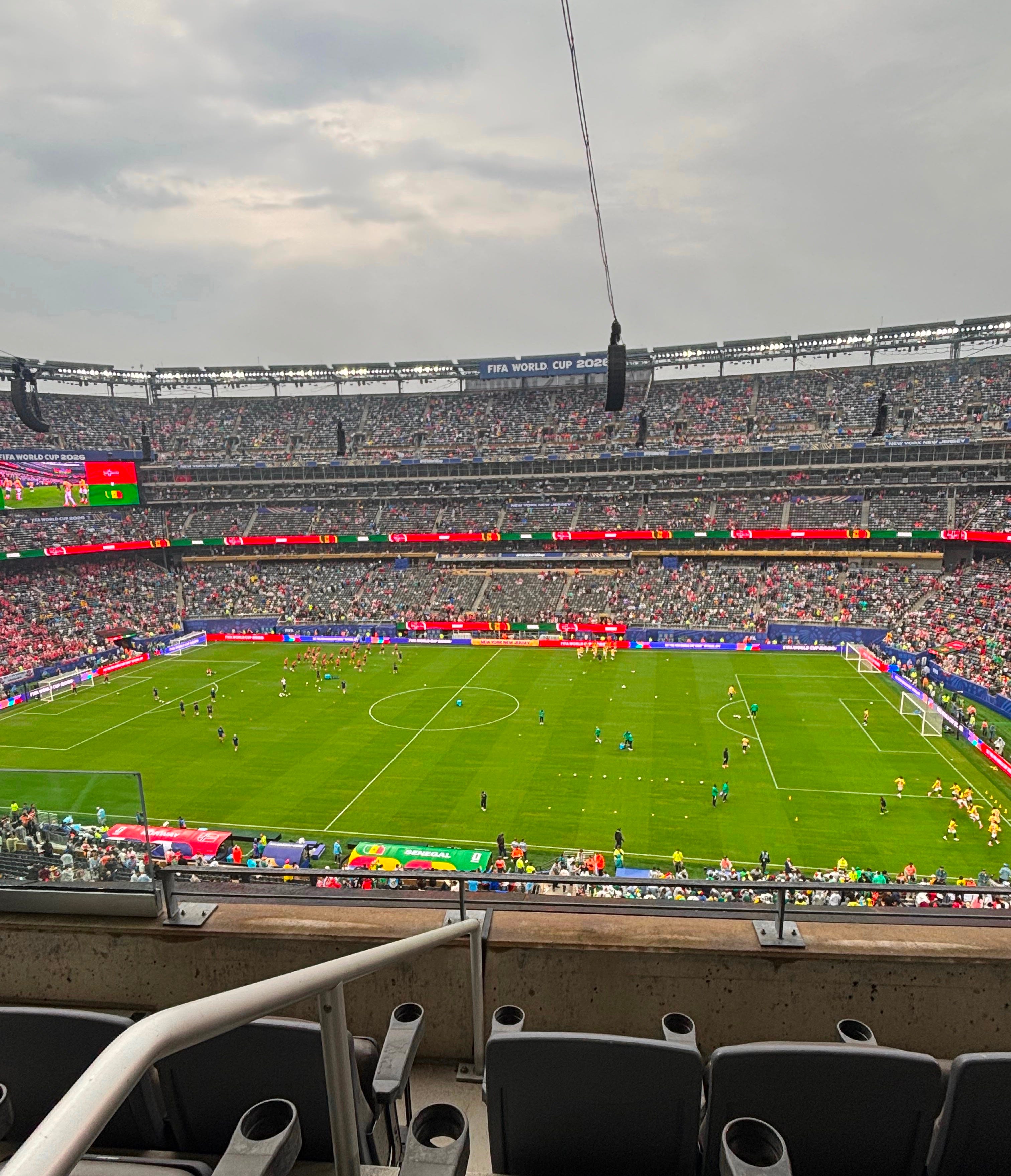
The problem with this strategy for brokers was that World Cup tickets only grew more expensive leading up to the tournament and then as the group stage began on June 11. So instead of fulfilling the orders for tickets they sold and taking a huge loss, brokers decided to lie and never tell the buyers that their tickets didn’t actually exist. This happened, Friedman said, to thousands of people during the group stage, where resellers didn’t fill ticket orders because prices skyrocketed.
“They said, I’m just going to convince StubHub to get out of the fine,” he said. “If you talk to them, they praise speculative and ghost ticketing for online events. Reps were telling these people that your tickets are coming. Wait until an hour before kickoff. They ruined thousands of families’ dreams for attending the World Cup. It was just nightmare after nightmare.”
Friedman embarked on a media tour as speculative ticketing became a more mainstream issue. StubHub, for its part, told the CBC earlier this month that it “does not allow speculative tickets, period.” He partnered with lawyer Bradford Clements to find these victims and file claims against StubHub through the American Arbitration Association, which takes less time to process than going through the normal U.S. judicial system.
To date, with Friedman’s help, Clements has secured more than $1.7 million in StubHub refunds, with interest, for clients wronged through the reselling process.

While other marketplaces have this issue of speculative ticketing, Friedman said 98% of the claims he sees come from StubHub, which is an even larger percentage than their already outsize market share. He believes StubHub engages in unethical practices at a larger rate than other ticket marketplaces with poor customer service and a sense of apathy toward those impacted.
All this is separate from a $5 million class action lawsuit filed last week against StubHub and its CEO Eric Baker, who also runs Andro Capital, a large-scale ticket reseller who uses the StubHub platform. The lawsuit claims that StubHub is not a neutral ticketing market due to this conflict of interest.
While Friedman has helped hundreds of victims, with a form to fill out if you are one, he knows he and Clements can do so much more in recouping money and spreading the word about the practices used by StubHub and other ticketing marketplaces.
“There's tens of thousands of cases that StubHub has wronged buyers and sellers in,” Friedman said. “There’s so much more work to be done.”
On The Radar
The ESPN layoffs came fast and furious this week, with longtime MLB voice Karl Ravech, NFL analyst Ryan Clark, SportsCenter veteran anchor David Lloyd and NFL Network insider Tom Pelissero among the most notable names impacted. ESPN chairman Jimmy Pitaro said many of the layoffs were due to the recent NFLN acquisition. As the cable model continues to tread water, this week’s news comes as cuts are also hitting hard at Disney companies Pixar and National Geographic. “I am not happy about this decision one bit,” Stephen A. Smith, who’s making a reported $20+ million per year at ESPN, said about Clark’s ouster. “This is terrible,” said Pat McAfee, who’s reportedly negotiating a new contract worth $60 million annually and is releasing a music album nobody asked for. Unlike other outlets, layoffs won’t be celebrated here in this fraught time in the media industry. And one interesting angle from The Ringer’s “Press Box” podcast that Awful Announcing picked up on: Is ESPN eventizing who they’re laying off?
The son-in-law of billionaire steel magnate Lakshmi Mittal is reportedly leading a consortium of investors in talks to buy a 30% stake in Liverpool at a $6 billion valuation. Jeff Bezos has reportedly been contacted to join this group for a sale, which could free up more funds for Liverpool owner Fenway Sports Group to make a bid for a possible Las Vegas NBA expansion franchise. A potential huge winner in all this? Liverpool minority stakeholder LeBron James.
 ESPN UK@ESPNUKIn 2011, LeBron acquired a 2% stake in Liverpool FC for $6.5M 🔴 At that time, Forbes estimated LFC’s value around $552M — but James’ contribution implied a valuation closer to $325M 🏟️ The club's current estimated valuation stands at $6.2BN; 2% of that value would be
 3:30 PM · Jul 22, 2026 · 990K Views158 Replies · 964 Reposts · 17.1K Likes
A month ago, MLB proposed a new draft model that would cut the number of rounds from 20 to 12, make high schoolers ineligible for selection and slash draft pick signing bonuses. In its labor fight with the MLB Players Association, its proposal laid out Tuesday isn’t just not on the same page with MLB; it’s not in the same Library of Congress. The PA wants more college draft eligibility, higher signing bonus pools— especially for small market teams— and the ability to trade picks during the first 10 rounds up until two hours before the draft.
One thing that could save baseball fans from an extended lockout next season is a reported provision in MLB’s media rights deal that pushes the contracts back an extra year if enough of a given season isn’t played. All of MLB’s current media deals with Fox, NBC, Warner Bros. Discovery, ESPN and Netflix run through the 2028 season specifically so that the league can sell everything, including potential local rights, at the same time for a premium rate. If the lockout goes on long enough, team owners would have to wait another year to get that extra revenue.
NFL national revenue eclipsed $14 billion last season, up 5% from 2024, meaning $450 million was distributed to each of the 32 teams. That’s reportedly more than the combined national revenue of the NBA, MLB and NHL. It is, indeed, good to be king.
As the LeBron James free agency decision saga continues, combined trading totals on Kalshi and Polymarket on where he’ll go have reportedly reached $200 million. That’s a lot of money for people who have no idea what the outcome will be.
As NBA second apron rules limit how much James can make when he chooses his next team, every player is being impacted by these constraints. After 86.4% of the money in new contracts signed last offseason were guaranteed, that number has reportedly plummeted to 77.2%. Less money, more problems.
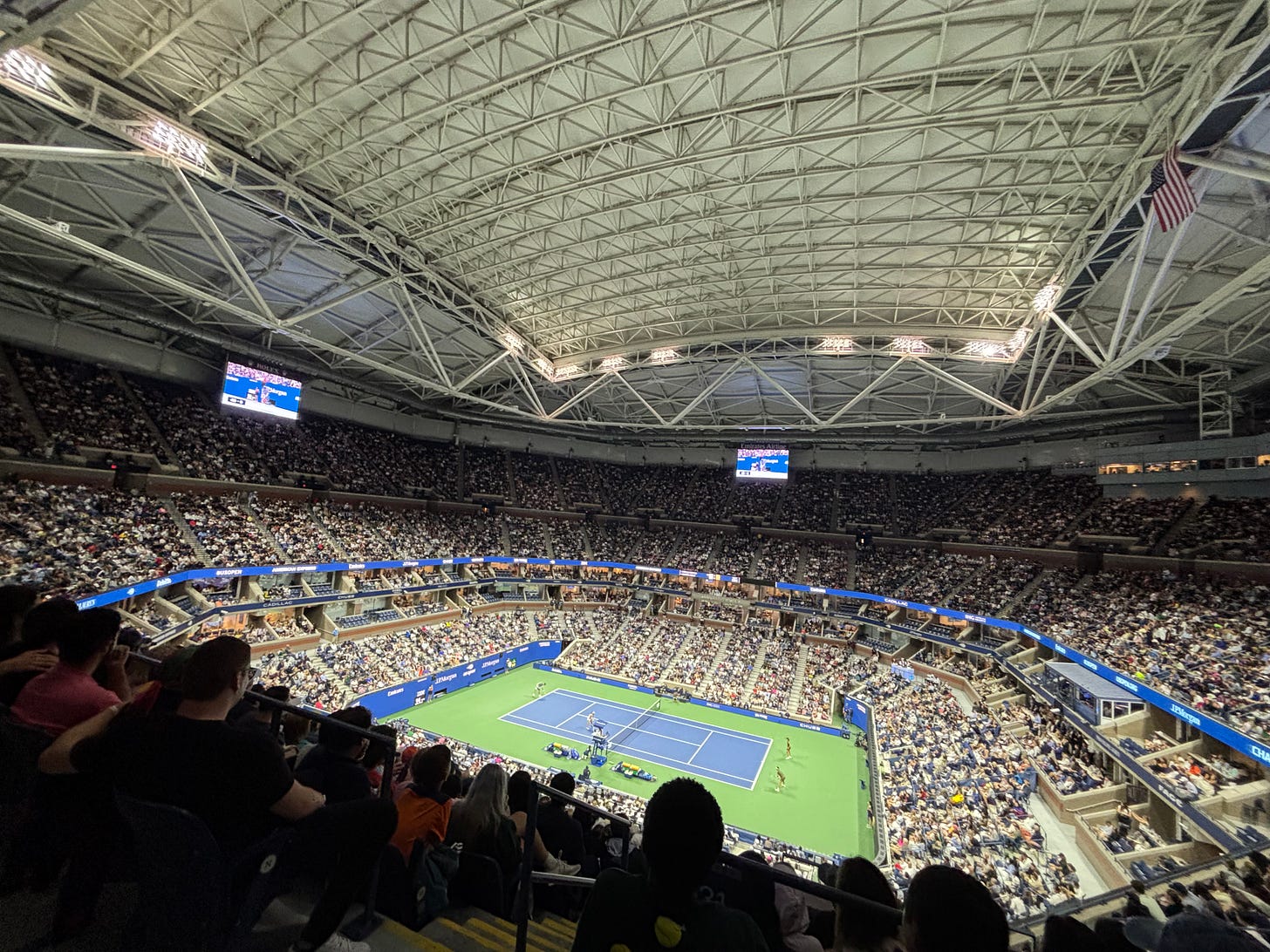
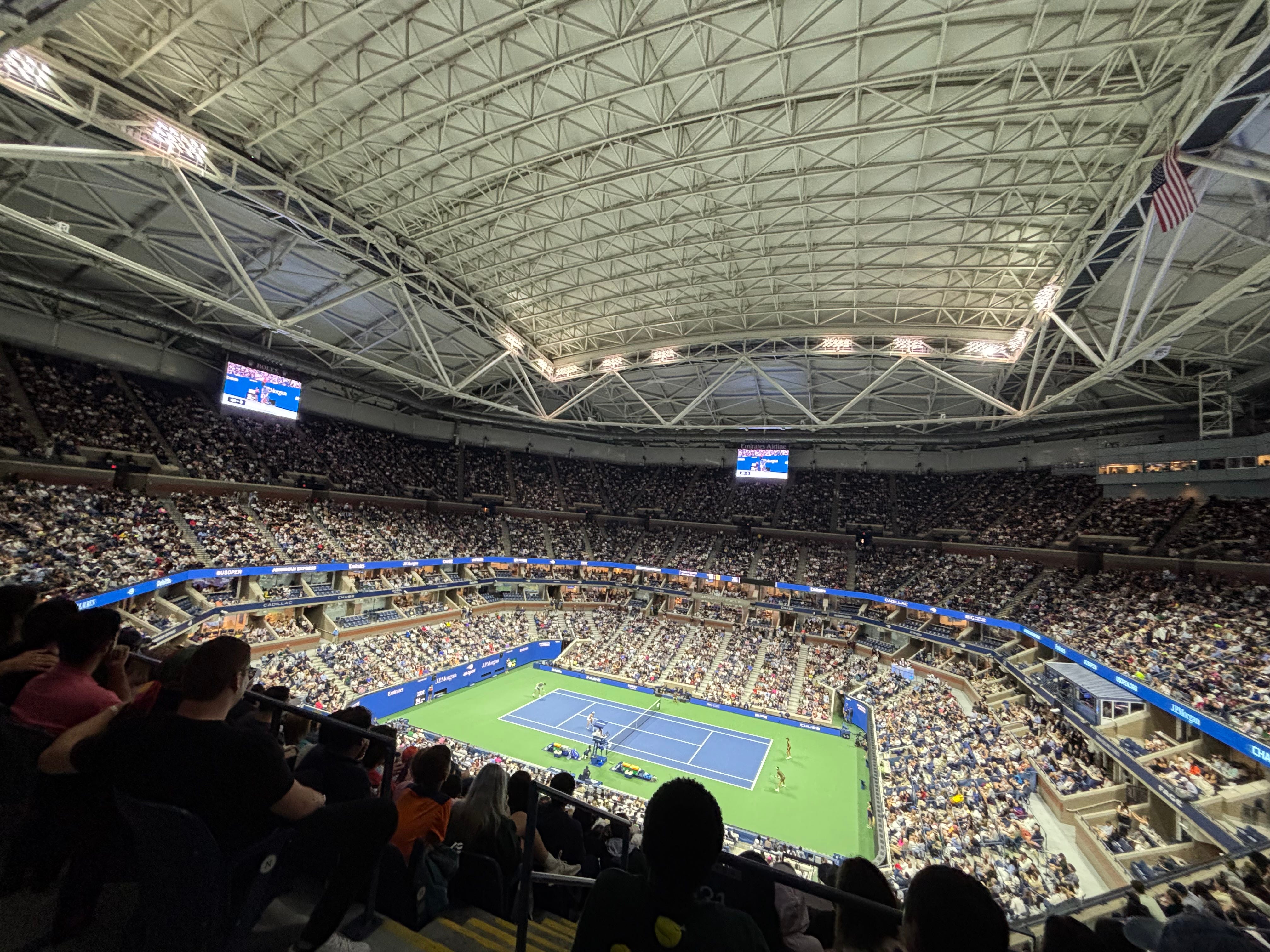
On to tennis. With prize money at the sport’s biggest tournaments not increasing at the rate they’d like, a group of top men’s and women’s players, led by men’s No. 1 Jannik Sinner, are considering boycotting the wildly successful, star-studded U.S. Open mixed doubles tournament that debuted last season and twice sold out the nearly 24,000-seat Arthur Ashe Stadium. Players are asking for a higher proportion of tournament revenues, which seems fair considering they’re the ones the fans are paying all this money to watch.
As new Portland Trailblazers governor Tom Dundon tries to use the leverage of a relocation to get more government funding to renovate the existing Moda Center or build a new arena, two local county commissioners proposed slashing funding toward the renovations’ projected $600 million price tag. And as Dundon increases Portland fans’ blood pressure, he also parted ways with beloved television play-by-play announcer Kevin Calabro, both radio announcers, studio host Neil Everett and analyst Tom Haberstroh in a series of cost-cutting measures similar to what Dundon carried out when he bought the Carolina Hurricanes in 2018.

Honorable Mention
Donald Trump wants Gianni Infantino to be the next UN secretary-general. FIFA should let him do it…Tommy Tuberville doesn’t like the Protect College Sports Act, which means it could be DOA in the Senate…Noah Eagle to call Rams-49ers season opener in Australia in September…Former NFL kicker Jay Feely won his Arizona congressional primary and will face Amish Shah, his former team doctor with the New York Jets, in the November election. It’s a rare case where a Jets-affiliated person will actually win something…Read this piece on the Rooney Rule being at a crossroads…MLS is investigating possible tampering in Casemiro’s Inter Miami signing…Megan Rapinoe’s new podcast…Read about the baseball spy…Netflix’s Untold series will have a new episode about Australian breakdancing legend Raygun. A MUST watch.